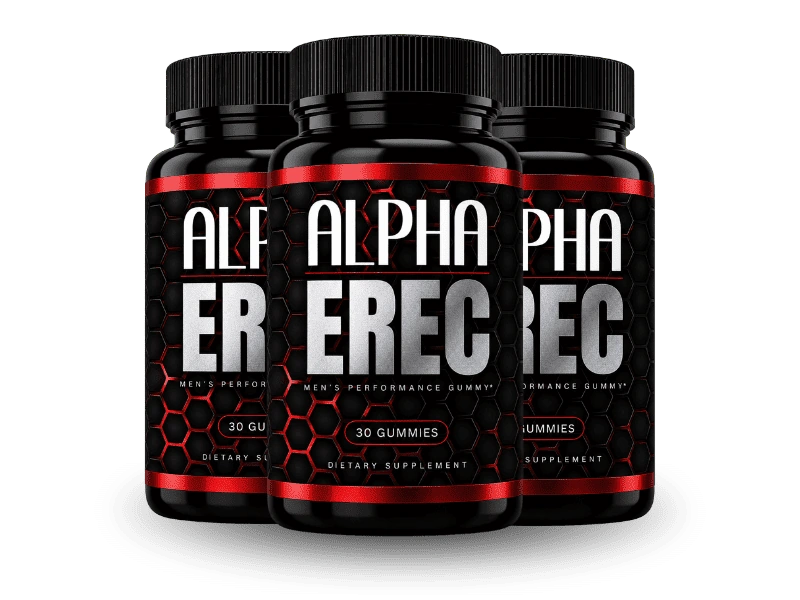
How Long Alpha Erec Takes To Work
The published roster says three to four weeks. The vendor suggests ninety days. The guarantee runs sixty. What that gap means before you choose a pack.
Alpha Erec Official Website › Blog
BlogFive long-form pieces from the Alpha Erec Team on the questions this product actually raises. The honest timeline, the two ingredients whose evidence runs in opposite directions, the post that answers a buying question no, and a label-literacy piece that scores our own bottle. Every source is linked inline and was checked before publication.
The published roster says three to four weeks. The vendor suggests ninety days. The guarantee runs sixty. What that gap means before you choose a pack.
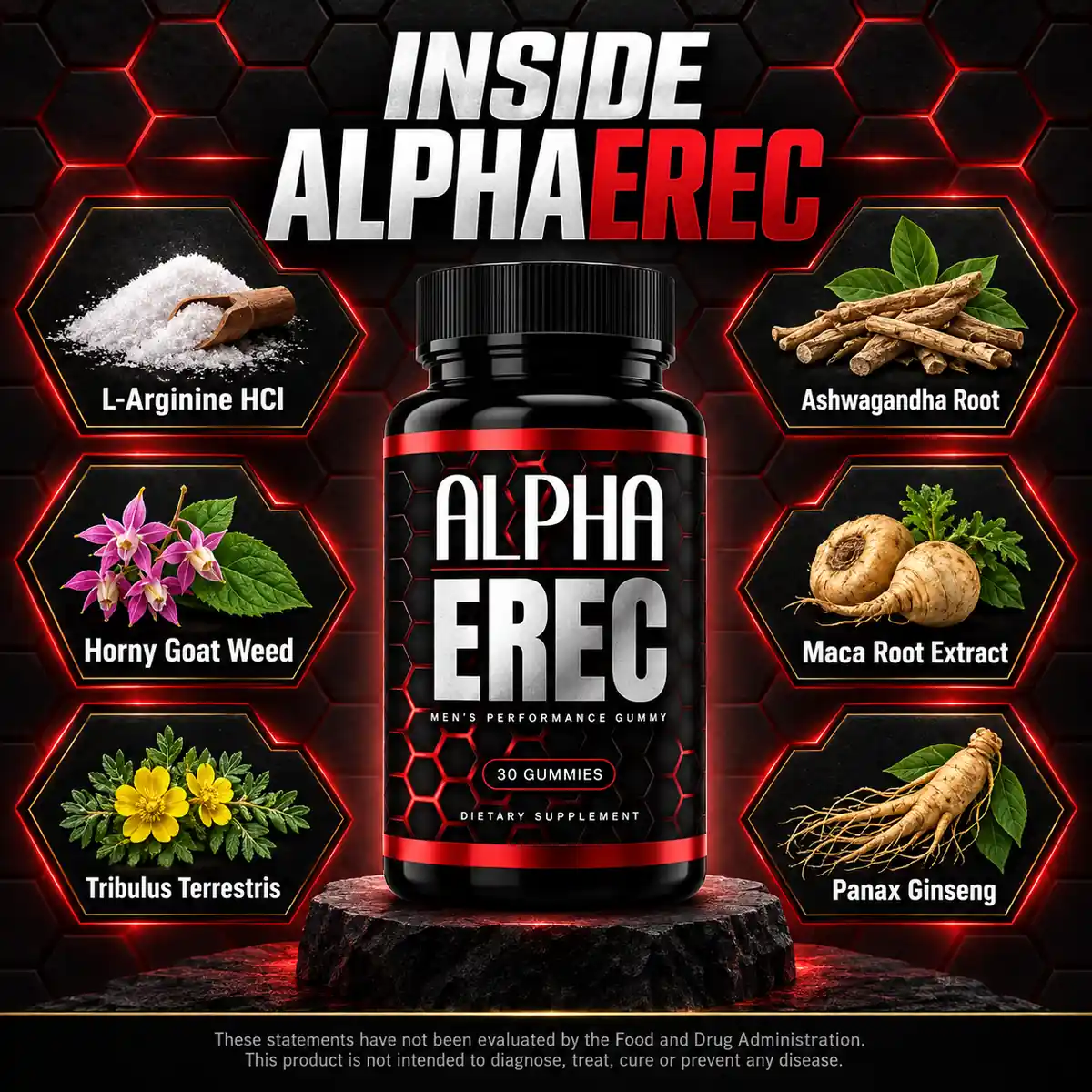
A meta-analysis of ten trials found arginine beat placebo at 1,500 to 5,000 mg a day. An earlier crossover at the bottom of that range found nothing at all.
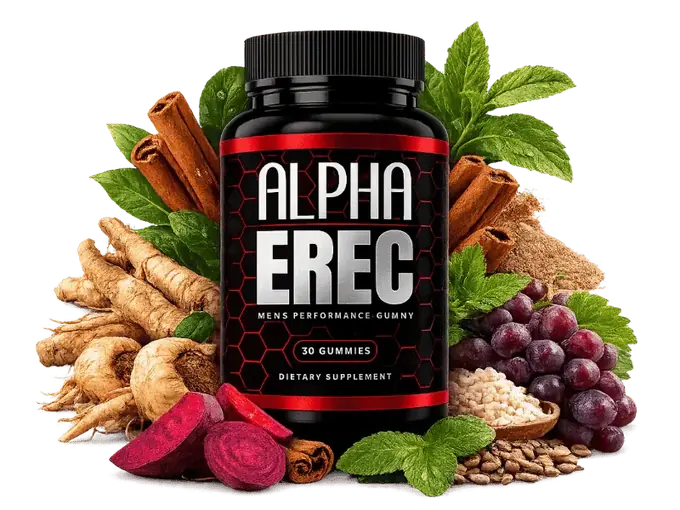
Icariin inhibits PDE5 in a test tube. In the one controlled human study that measured it, blood levels were very low or undetectable.
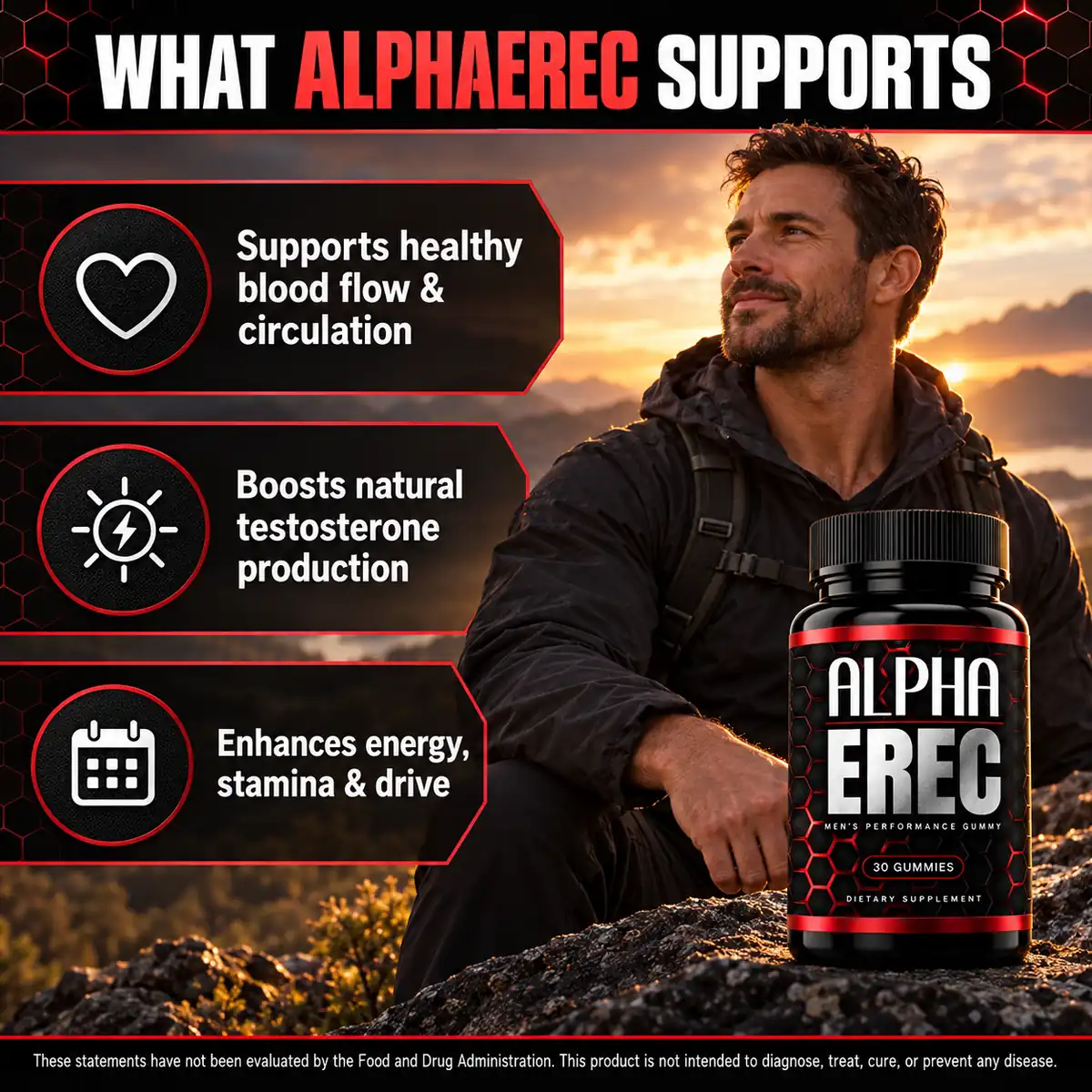
No supplement may claim to treat erectile dysfunction and this label does not. What causes it, and when to see a clinician instead of buying anything.
Six figures this category withholds, the arithmetic a buyer can do anyway, and a five-minute check that works on any bottle including ours.
Five topics, chosen from what this particular panel raises rather than from a template. Two of them argue against part of the label, which is deliberate: a blog attached to a product page is worth reading only if it is willing to cost the product something.
Everything here is written by the Alpha Erec Team and carries the same review date, corrections route and sourcing rule as the rest of this website. The method is set out on the about page.
Every post here follows the same four rules, and knowing them changes how much weight to put on any particular sentence.
What that produces is a blog that is slower and more qualified than the category norm. A post here will rarely tell you that something works. It will tell you what was measured, at what dose, in how many people, and what that does and does not imply about a gummy with no published amounts.
The omissions are as deliberate as the topics, and each one is a thing this category does routinely.
Not evidence, not verifiable, and not something this desk can stand behind. The published reviewer roster on the reviews page is what we actually have, presented as what it is.
The manufacturer’s own sales page carries testimonials quoting free testosterone results and percentage increases. None of those figures is on the label and none is repeated here.
Nobody has reviewed this website in a clinical capacity, so nobody is named as having done so. A fabricated credential on a health product is the most abused signal in this category.
No countdown, no stock counter, no limited-time framing. Nothing on this panel works in a week, so nothing about the decision is urgent.
Most competing labels publish no amounts either, so a comparison would be two unknowns set against each other. The buying guide gives you the checklist instead.
Nobody at this desk is a clinician. Where a question is medical, the posts say so and point at the NIDDK and MedlinePlus rather than answering it.
Across these five posts there are twenty-five distinct sources across eight domains. Every PubMed identifier was confirmed against the NCBI summary API before it was written, and every government page was opened in a browser rather than fetched by script, because several of those hosts refuse scripted requests in a way that looks exactly like a dead link.
| Source type | Used for | Examples |
|---|---|---|
| Systematic reviews and meta-analyses | The strongest claim available about an ingredient | Arginine in erectile function; tribulus and testosterone; red ginseng |
| Randomised controlled trials | A specific dose and a specific outcome | Ashwagandha at 240 mg; maca at 1,500 to 3,000 mg |
| Human pharmacokinetic studies | Whether a compound reaches the bloodstream at all | Epimedium prenylflavonoids and icariin |
| Government and institutional pages | Neutral context and regulatory position | NIH ODS, NCCIH, FDA, NIDDK, MedlinePlus |
Where an ingredient has no modern human trial record, the posts say that rather than dressing up a laboratory result as clinical evidence. Horny goat weed is the clearest case, and it has a post of its own for exactly that reason.
Each post carries a visible last-updated date, and that date matches the dateModified field in the structured data on the same page. It moves when the content changes and it does not move when the content sits still, which is the point: a date that advances on its own carries no information.
Three things trigger a revision. A cited link that no longer resolves, a newer systematic review that changes what the evidence says about an ingredient, and a correction from a reader. The third is the most valuable and the rarest, and it goes to [email protected].
If the manufacturer ever publishes milligram amounts for this panel, most of these posts change substantially, and two of them would need rewriting from the first paragraph. That would be a good problem. The method that produced them is set out in full on the about page.
If you are looking for a specific answer rather than a reading list, this is the index.
Each of those is argued at length in the post it belongs to, with the source linked in the sentence that makes the claim.